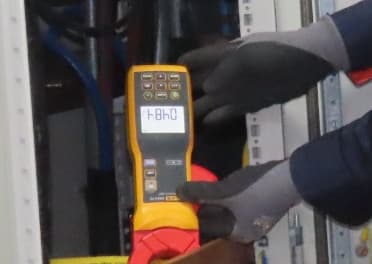
Earth Resistance Testing
Comprehensive ground resistance testing and leakage current measurement for electrical safety.
Key Features
- Ground loop testing
- Leakage current measurement
- Ground system integrity verification
- Advanced testing equipment
- Fluke 1630-2 FC Earth Ground Clamp Meter
Benefits
- Ensure electrical safety
- Prevent electrical hazards
- Detect unintended current flows
- Maintain system integrity
- Verify grounding effectiveness
- Comply with safety standards
Applications
- Electrical Installations
- Industrial Equipment
- Power Distribution Systems
- Safety Ground Systems
- Lightning Protection
- Difficult-to-access Areas
Frequently Asked Questions
What is earth resistance testing?
Earth resistance testing measures the resistance between an electrical installation's grounding system and actual earth. Effective grounding is essential for personnel safety, equipment protection, and correct operation of protection systems.
What is an acceptable earth resistance value?
For most industrial installations, the target earth resistance is 1 ohm or less, though specific standards (IEC, BS, IEEE) define requirements for different system types. High resistance indicates a poor ground connection requiring remediation.
How often should earth resistance be tested?
We recommend annual testing for industrial facilities, with additional tests after electrical system modifications, lightning strikes, or significant weather events that may have disturbed grounding electrodes.